The Ultimate Winter Roof Checklist for St. Petersburg Homeowners Who Want to Avoid Costly Repairs
How To Protect Your St. Petersburg Roof This Winter With Gutter, Flashing and Small Repairs
The most reliable way to make a roof last longer in St. Petersburg is with a winter roof maintenance routine. It is important to keep gutters, downspouts and roof valleys clear. Check the flashing and sealant around vents and walls, and repair small defects before the next rainy season. Most of the inspection can be done from the ground. However, anything that involves walking the roof, resealing flashing or replacing materials is better handled by a licensed roofing contractor. Additionally, maintenance has limits. It can slow down any wear and tear, but it cannot restore a roof that has reached the end of its service life.
Why Does Winter Matter For A Florida Roof?
Winter is the quieter stretch between storm seasons. St. Petersburg’s rainfall peaks from June through September, and in most other months it stays mostly under about two inches. Drier weather makes inspections and repairs easier to schedule. It also gives you time to fix problems before the wet season and the June 1 start of hurricane season. Summer storms can leave “micro-damage” such as loosened flashing, lifted shingles and cracked sealant that has not leaked yet. One Florida roofing contractor notes that dry-season leaks often start at flashing, vents or cracked tiles rather than open holes.
Task 1: How Do I Keep Gutters And Roof Valleys Clear?
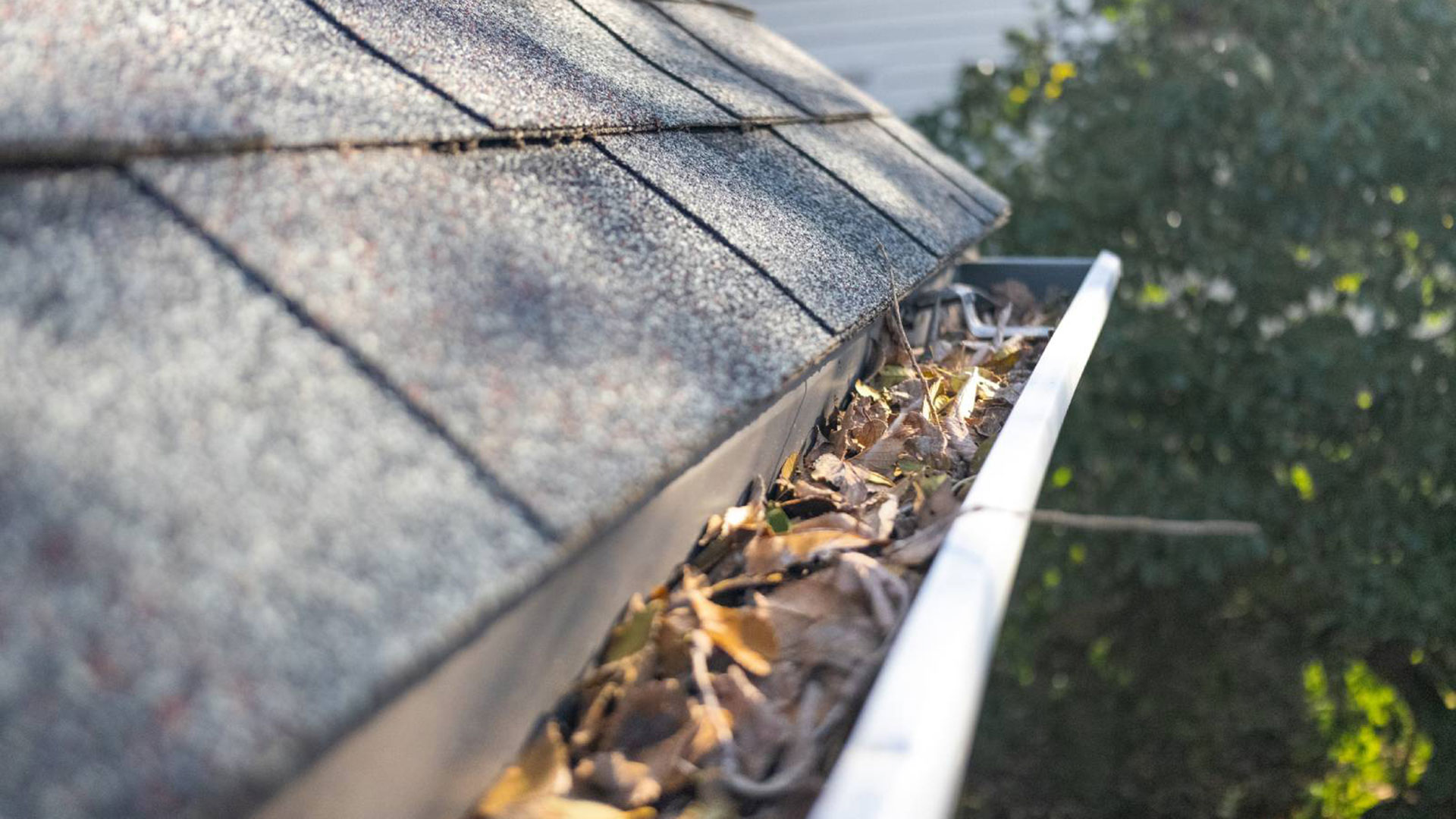
Clear debris from gutters, downspouts and roof valleys at least once this winter and confirm that water reaches the ground through every downspout. When gutters clog, water has nowhere to go. Blocked gutters can send water back toward the roof, the Insurance Institute for Business and Home Safety lists poorly secured gutters and debris in valleys as drainage problems that can cause pooling and seepage.
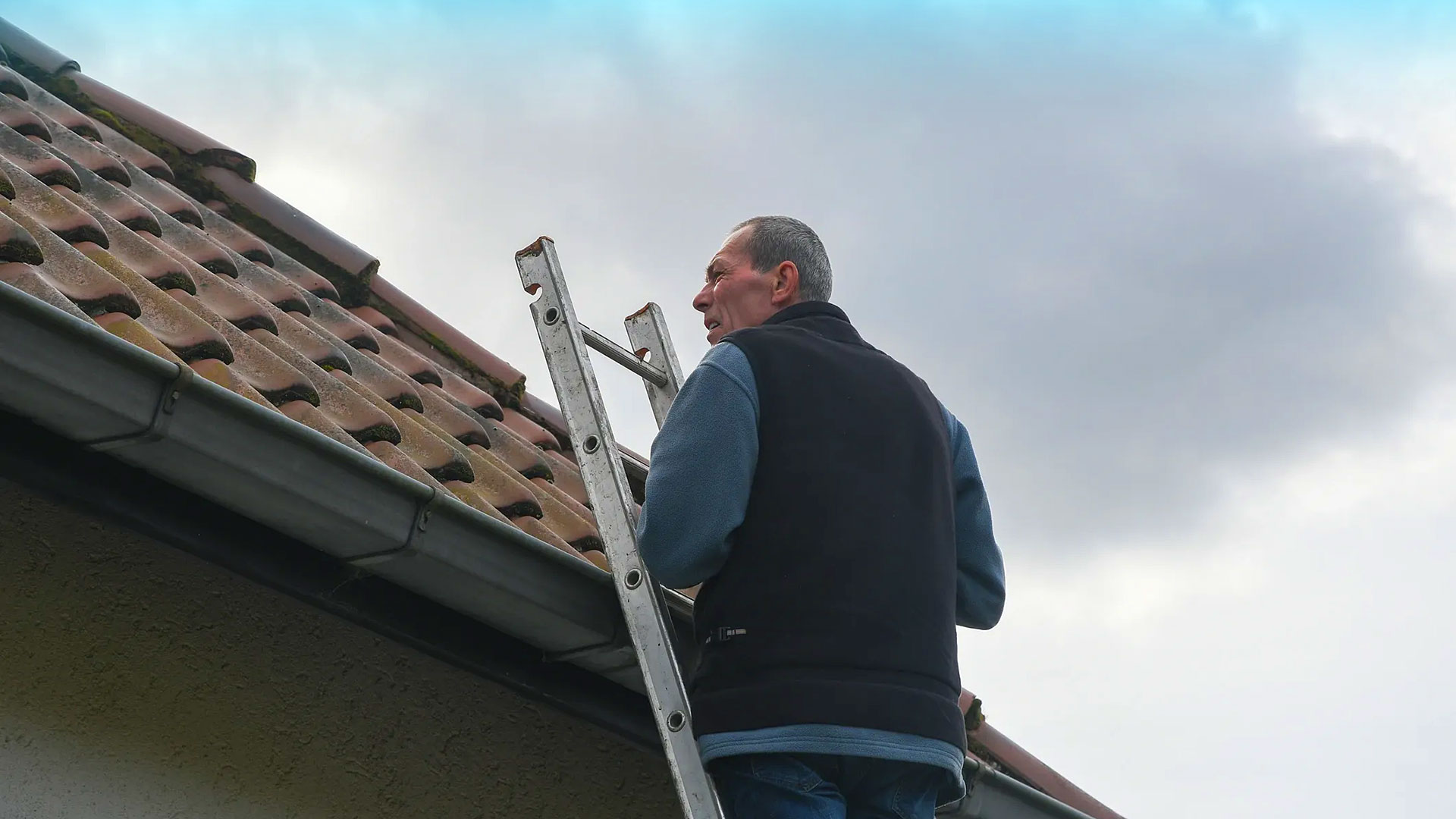
Waterlogged debris is also heavy, which can pull gutters away from the fascia board. Look from the ground for sagging gutters, stained fascia, water marks below the roof edge and overflow lines after rain. Trimming branches that hang over the roof reduces how much debris lands there in the first place. Gutter cleaning from a ladder carries its own fall risk, so hire help if you are not comfortable with heights.
Task 2: Why Should I Check Roof Flashing?
Flashing is the thin metal that seals the joints where water is most likely to get in: around chimneys, vents, skylights, valleys and the base of walls. As part of your winter roof maintenance routine, it is best to check it because it is a common failure point for many roofs. Additionally, sun exposure can dry out the sealant around vents, skylights and walls, which opens small paths for water.
From the ground or an attic, look for rust streaks, flashing that appears lifted or bent, cracked or missing sealant, ceiling stains near a chimney or wall, and daylight visible around a pipe. Caulk applied over deteriorated flashing is usually a short-term patch. A repair that lasts requires finding the true entry point, which is often not directly above the stain inside the home. This is work for a roofer who can safely get on the roof and inspect each joint.
Task 3: Which Small Repairs Should I Not Put Off?
Winter roof maintenance includes repairing any lifted, cracked or missing shingles, cracked pipe boots, loose ridge caps and loose drip edge before the next heavy rain. A pair of binoculars from the yard is enough to spot most of these. Small repairs are generally less expensive than interior water damage, but cost depends on roof material, pitch and access, how many locations are affected, and whether the decking underneath has been wet. Your roofer can tell you whether a targeted repair makes sense or whether the roof’s overall age points toward replacement.
Task 4: Should I Document My Roof’s Condition?
Yes. Take dated photos of the roof, gutters and any stains or damage this winter. A record of the roof’s condition before storm season can help if you later need to show what changed. In fact, Drew Roofing has a guide on how to document roof damage for insurance before the next storm season.
When Should I Call A Licensed Roofing Contractor?
When it comes to winter roof maintenance, you may want to call a licensed roofing contractor for any flashing repair, repeated leaks, soft or sagging areas, widespread shingle wear, or any task that means walking on the roof. Wet or aged roofing surfaces are dangerous, and amateur inspection can cause additional damage.
Florida requires roofing contractors to be licensed through the Construction Industry Licensing Board. The Florida Roofing and Sheet Metal Contractors Association advises homeowners to verify the license with the state and ask for workers’ compensation and liability insurance certificates, because a homeowner can be held liable if a worker is injured and there is no workers’ compensation. You can check any contractor’s license for free at MyFloridaLicense.com. At Drew Roofing, every crew member is a W-2 employee covered by our workers’ compensation and general liability insurance, and we are glad to provide our license number and certificates before any work begins.
Frequently Asked Questions
How Often Should A St. Petersburg Roof Be Inspected?
There is no single rule. Some Florida roofers suggest twice a year, in spring before hurricane season and again after it ends. Older roofs, or roofs with a history of leaks, benefit from more frequent checks. An inspection can also tell you whether a roofing maintenance plan fits your home.
Can Regular Roof Maintenance Replace The Need For A New Roof?
No. Maintenance helps a roof reach its expected lifespan and catches problems early, but widespread deterioration eventually calls for replacement. An honest inspection should tell you which situation you are in.
Schedule A Free Winter Roof Maintenance Inspection In St. Petersburg
If it has been a while since a professional looked at your roof, winter is a practical time to do it. Contact Drew Roofing for a free estimate and a St. Petersburg roof inspection. We will check your gutters, flashing and roof surface, explain what we find, and tell you plainly whether you need a small repair or something more.
Call Drew Roofing or visit drewroofing.com to request your free estimate.
This article is for general information and is not legal or insurance advice. Always follow ladder and roof safety practices, and consult a licensed professional for work on your roof.