Five Proven Reasons Why Roof Flashing Fails
Roof Flashing Failures in Florida: What Causes Them, What They Cost, and How Drew Roofing Can Help
When a roof leaks, most homeowners assume the shingles are to blame and sometimes they are. However, some of the most damaging and persistent leaks in St. Petersburg homes have nothing to do with the shingles at all. In fact, they start with the flashing. Roof flashing is one of the most critical and least understood components of any roofing system. Unfortunately, in Florida’s unforgiving climate, it’s also one of the first things to fail.
At Drew Roofing, flashing repairs and replacements are among the most common calls we receive from homeowners throughout St. Petersburg and South Pinellas County. These roofing repairs are common particularly after heavy rain events and following hurricane season.
What Is Roof Flashing And What Does It Actually Do?
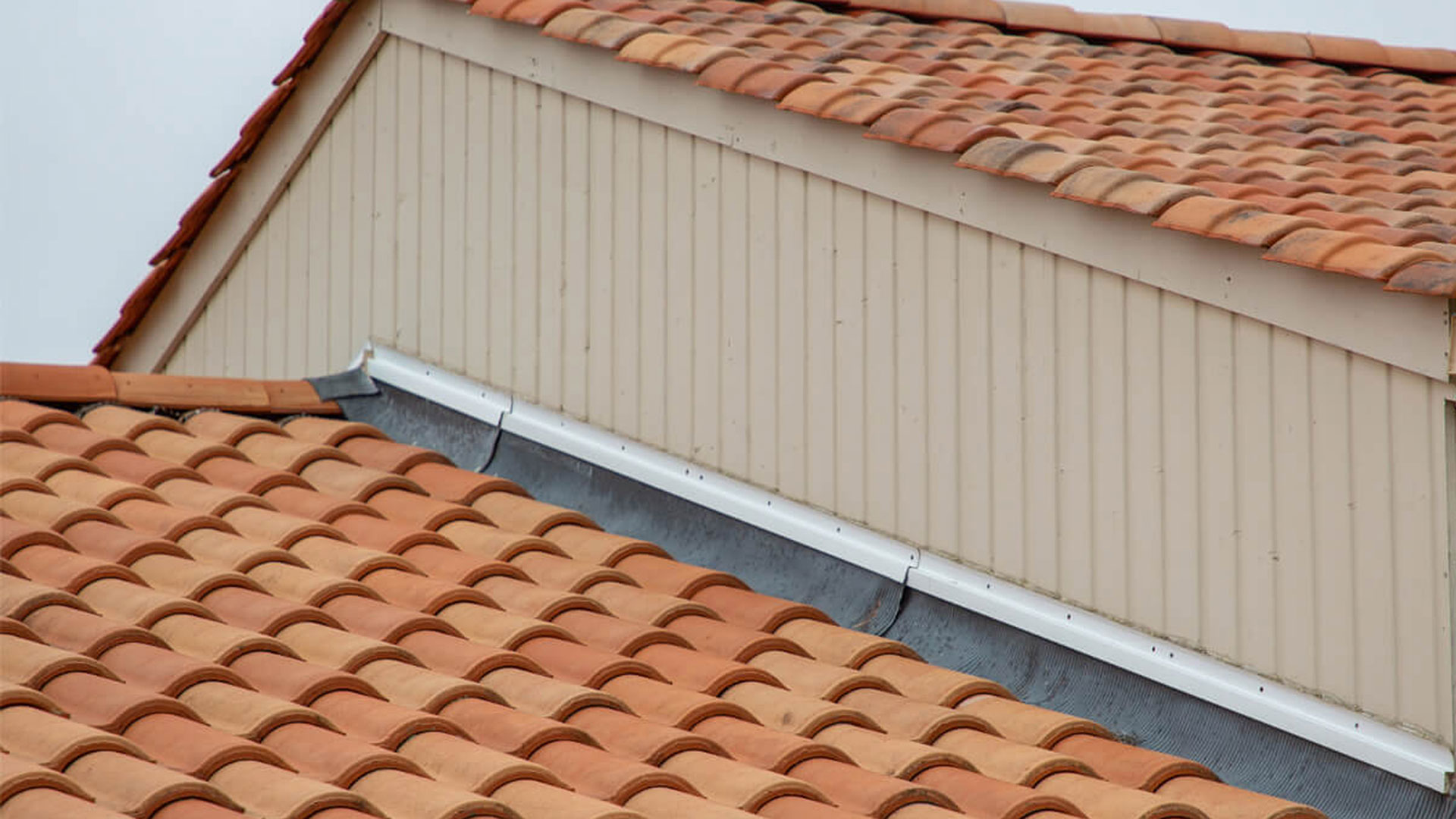
Roof flashing is a thin galvanized steel or aluminum material. It is usually installed at the joints, transitions and penetrations in your roofing system. Its job is straightforward. It seals the gaps and angles where water is most likely to find a way into the home.
Think about the geometry of a roof. Wherever two surfaces meet at an angle, a vertical wall rises up from a roof plane or where a vent pokes through the surface, these are vulnerable points for water leaks. Unfortunately, shingles alone can’t seal these transitions effectively. Flashing bridges those gaps, directing water away from the joint and onto the surface of the roof where it can drain safely.
Common Locations Where Roof Flashing Is Installed
- Around the base and where a chimney meets the roof slope (step and counter flashing)
- Along the base of vertical walls where a roof plane meets a wall surface (wall flashing)
- In roof valleys where two slopes intersect and water volume is highest
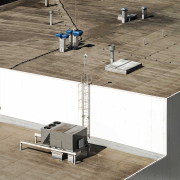
- Around all roof penetrations, such as plumbing vents, HVAC equipment, skylights, and exhaust fans
- At roof edges and eaves (drip edge flashing)
- Where a lower roof section meets a higher wall or dormer
Each of these locations represents a point where water, given enough time and the right conditions, will find a way through an improperly sealed joint. Flashing is the primary defense at every one of them.
Why Florida’s Climate Is Especially Hard On Roof Flashing
Roof flashing is designed to last. In ideal conditions, quality flashing installed by an experienced contractor can perform well for decades. But Florida is not an ideal location. In fact, it’s one of the most demanding roofing environments in the country. Several factors specific to St. Petersburg and South Pinellas County accelerate flashing deterioration in ways that homeowners in other parts of the country simply don’t deal with.
Extreme Heat And UV Exposure
St. Petersburg averages more than 360 days of sunshine per year. While this is a statistic the city markets proudly, it is one that is genuinely brutal on roofing materials. The sealants and caulking compounds used around flashing joints can soften, crack and shrink under relentless UV exposure and high surface temperatures. A roof surface on a sunny summer afternoon in St. Petersburg can reach temperatures well above 150°F. Over time, that thermal stress degrades the sealant bond between flashing and adjacent materials, opening microscopic gaps that widen with every heating and cooling cycle.
Thermal Expansion And Contraction
Metal flashing expands in heat and contracts as temperatures drop. While Florida doesn’t experience the dramatic temperature swings of northern states, the daily cycle of intense daytime heat and cooler evenings still causes constant movement. Over years, this repeated expansion and contraction loosens fasteners, lifts flashing edges, and compromises the seal at joints. It’s a slow process, but it’s relentless, and it’s why even well-installed flashing eventually needs attention.
Humidity And Moisture Cycling
Florida’s humidity is not just uncomfortable for residents. Constant moisture in the air accelerates corrosion on metal flashing, particularly on older galvanized steel installations where the protective zinc coating has worn away. Aluminum flashing fares better in humid environments, but it’s not immune to the effects of prolonged moisture exposure, especially at the fastener points where different metals meet and galvanic corrosion can occur.
Salt Air Corrosion
Proximity to the Gulf of Mexico and Tampa Bay makes salt air corrosion a real and accelerated threat for homeowners throughout coastal Pinellas County. Salt particles carried in the breeze deposit on roofing surfaces and work their way into joints and fastener holes, dramatically speeding up the corrosion of metal flashing components. Properties within a mile of the waterfront are especially vulnerable and homeowners in these areas should expect to have their flashing inspected more frequently than those further inland.
Hurricane-force Wind
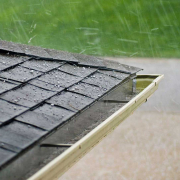
Florida’s hurricane season runs from June through November, and even storms that don’t make direct landfall near St. Petersburg can produce sustained tropical-force winds and hours of relentless wind-driven rain. Wind-driven rain is categorically different from normal rainfall. It hits roofing surfaces at angles that standard flashing installation isn’t always designed to handle, forcing water into joints that would otherwise remain dry. A flashing joint that performs fine in typical Florida rain can actually fail during a tropical storm or the outer bands of a passing hurricane.
Many flashing failures aren’t immediately visible from ground level and don’t produce obvious interior leaks right away. Water can travel along roof decking, rafters or wall cavities for weeks or months before appearing as a stain on your ceiling. At this point secondary damage to insulation, framing and drywall may have already occurred.
The Warning Signs Of Failing Roof Flashing
Knowing what to look for can help St. Petersburg homeowners catch flashing problems before they become major water intrusion events.
Signs Your Roof Flashing May Be Failing
- Water stains on ceilings or walls, particularly near chimneys, skylights, or exterior walls
- Visible rust streaks running down roof surfaces from flashing locations
- Flashing that appears lifted, bent, separated, or missing entirely
- Cracked, dried-out, or missing sealant at flashing joints
- Daylight visible around chimney base or pipe penetrations when viewed from the attic
- Musty odor in attic spaces or top-floor rooms, indicating ongoing moisture intrusion
- Leaks that appear during or immediately after heavy rain but seem to dry up between storms
- Any roof that hasn’t been professionally inspected in the past two to three years
Flashing Repair Is Not A DIY Project
Roof flashing repair is one of those home maintenance tasks that looks deceptively simple from the outside and reveals its complexity the moment you’re up on the roof trying to actually do it correctly. Homeowners who attempt DIY flashing repairs frequently can make the problem worse. Applying caulk over deteriorated joints as a temporary fix or using incompatible sealants that fail within a season can inadvertently cause more damage in the process.
Effective flashing repair requires an accurate diagnosis of the failure point by a roofing professional. Oftentimes, the source of the leak is not where the leak appears inside the home. It requires the right materials for the specific application and location. It also requires the knowledge to integrate the repair properly with the surrounding roofing system rather than simply patching over the area needing repair. Using the wrong materials, such as a sealant not rated for UV exposure, for example, or flashing metal prone to salt air corrosion means the repair will likely fail again in months rather than years.
What A Professional Flashing Inspection From Drew Roofing Includes
When Drew Roofing performs a roof inspection for a St. Petersburg homeowner, flashing is one of the first and most thorough areas we examine. Our inspection process goes well beyond a visual scan from the ground. We get on the roof, examine every flashing location up close, check the condition of sealants and fasteners, look for evidence of water infiltration in the attic and at the roof deck, and document our findings with photos and a clear written summary.
If repairs are needed, we explain exactly what failed, why it failed, and what the correct repair approach looks like. This may include the materials we’ll use and why they’re appropriate for St. Petersburg’s specific coastal climate. We don’t recommend unnecessary work, and we don’t treat sealant as a permanent solution when a proper mechanical repair is what the situation requires.
For homeowners whose roofs haven’t been professionally inspected in two or more years, a flashing inspection is one of the highest-value roof maintenance steps you can take. The cost of a professional inspection and minor flashing repair is a small fraction of what water intrusion damage costs once it reaches your home’s interior framing, insulation and finishes.
Protect Your St. Petersburg Home And Call Drew Roofing Today
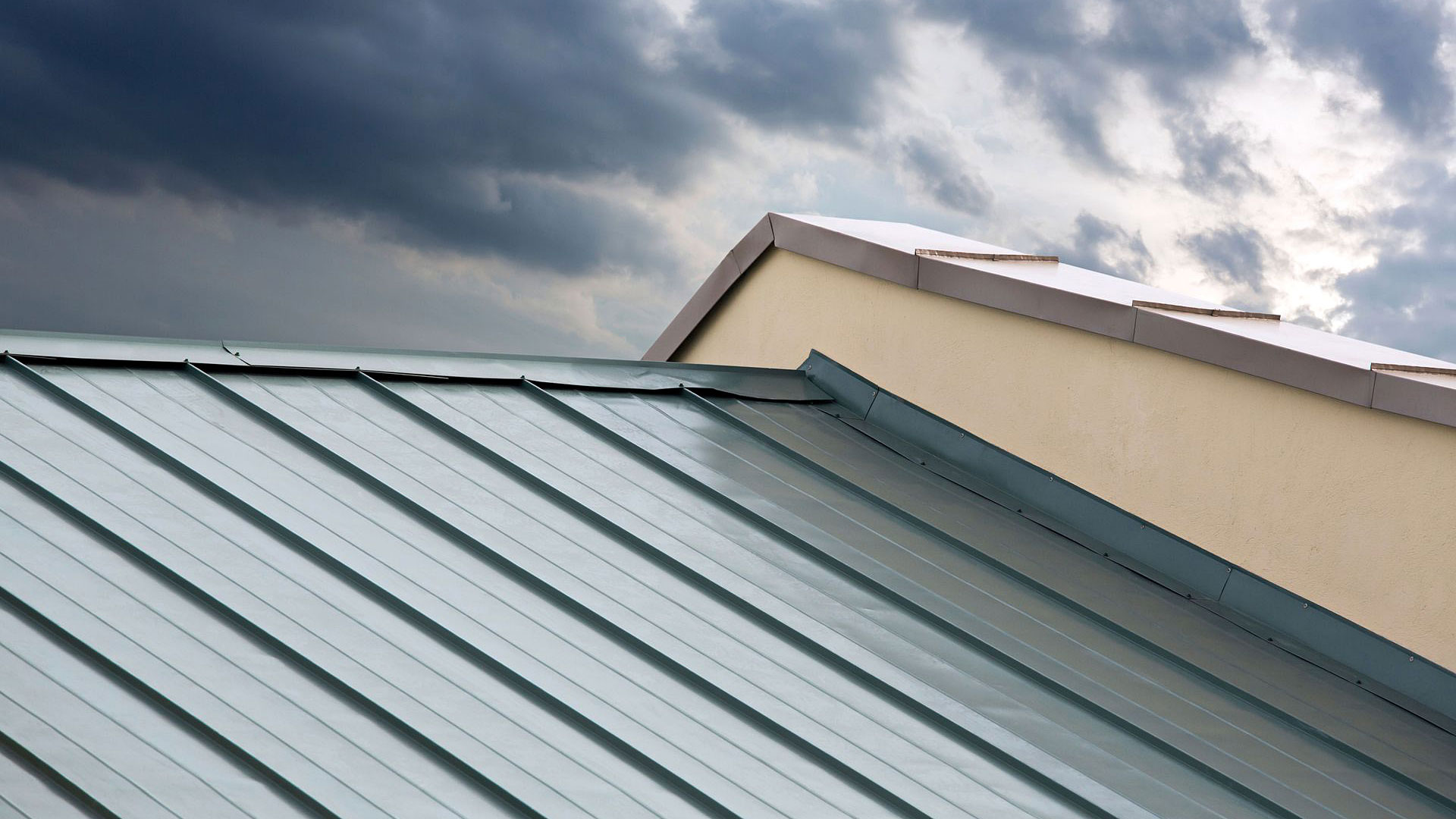
Whether your roof is shingle, metal or tile, it’s the transitions, penetrations and edges where water most reliably finds its way inside. Roof flashing is the unsung component of every roofing system, and in Florida’s heat, humidity, salt air, and storm exposure, it’s under more stress than almost anywhere else in the country. Drew Roofing provides professional roof inspections for homeowners throughout St. Petersburg and South Pinellas County. Our experienced team will assess your flashing, identify any vulnerabilities, and give you an honest, no-pressure report on what may need attention. Don’t wait for a ceiling stain to tell you there’s a problem. Contact Drew Roofing today at (727) 522-3739 or contact us on our website here.