
Tariffs, Oil, and Volatile Markets: What’s Driving Up St. Petersburg Roofing Prices and What Drew Roofing Is Doing About It
If you’ve called a roofing company recently for a quote and been surprised by the number, you’re not alone. Homeowners across St. Petersburg and South Pinellas County are experiencing sticker shock as roofing costs climb in ways that have nothing to do with the size of your roof or the neighborhood you live in. Unfortunately, many of the forces driving St. Petersburg Roofing Prices up are global ones. Issues such as trade tariffs, oil market disruption from the ongoing conflict in Iran, and freight costs have permeated every layer of the supply chain. As a result, these issues are landing squarely on the Florida roofing market right now.
The Current State Of Roofing Material Costs
To understand why St. Petersburg roofing prices look different than they did a year or two ago, one needs to understand three converging pressures that are hitting the construction industry simultaneously. Federal tariffs on imported materials, oil price volatility driven by the Iran conflict, and the freight and shipping cost increases that flow from both all have an impact.
- UP 60% – Reported increase in metal roofing prices due to steel & aluminum tariffs
- UP 6–10% – Increase in asphalt shingle costs from tariff and oil market impacts
- UP OVER $100 – Brent crude oil per barrel since the Iran conflict began — up from ~$60
How Tariffs Are Driving Up Roofing Material Costs
In early 2025, the federal government imposed a 25% tariff on all imported steel and aluminum. No exemptions were made for longtime trade partners like Canada, Mexico, or the European Union. By mid-2025, that tariff was doubled to 50% on steel and aluminum specifically. Steel and aluminum are foundational to the roofing industry. They are used in metal roofing panels, drip edge, flashing, fasteners and nails. Unfortunately, every one of those line items got more expensive, effectively overnight.
For metal roofing specifically, the impact has been severe. Reports from Florida roofing suppliers indicate metal roofing prices have increased by as much as 60% in some product categories. For a St. Petersburg homeowner considering a standing seam metal roof, that’s a meaningful dollar increase on what was already a premium product. Asphalt shingle roofs, which use domestically produced shingles in many cases, are seeing cost increases of 6 to 10% because the aluminum granules, steel nails, metal flashing, and other components that go into every shingle installation are all subject to tariff pressure.
Something else to keep in mind when considering a roof replacement is that the timeline to accept a roofing quote has also shortened for many companies. Some contractors are only honoring quotes for 15 days before repricing due to material cost uncertainty. If you receive a quote from Drew Roofing or anyone else, understand what the timeline is to accept that quote in order to keep a price locked.
How Is The Iran Conflict Affecting St. Petersburg Roofing Prices?
Asphalt shingles are a petroleum-based product. The liquid asphalt that gives them their waterproofing properties and structural integrity is refined from crude oil. This means that when global oil prices spike, asphalt shingle costs usually follow.
The ongoing conflict in Iran has injected significant volatility into global oil markets. The narrow waterway between Iran and Oman called the Strait of Hormuz, carries roughly 20% of the world’s daily oil supply. Since hostilities escalated, commercial shipping through the strait has been severely disrupted, and Brent crude oil prices have surged from around $60 per barrel before the conflict to over $100 per barrel. Industry analysts note that a $10 increase in crude oil prices typically translates to a 2 to 3% rise in asphalt costs. Unfortunately, the increases we’ve seen are far larger than $10.
For Florida roofing specifically, the downstream effects are already being felt. Asphalt cement pricing indexes, which track what refineries charge for the liquid asphalt used in roofing and paving products, have showed a dramatic jump in early 2026. Industry experts note there’s typically a significant lag before that increase fully transmits to retail material prices. In other words, the full impact of current oil prices on asphalt shingle costs may not have been completely priced in yet.
“The forces moving St. Petersburg roofing prices right now aren’t local. They start at the Strait of Hormuz and in federal trade policy. But their impact lands directly on St. Petersburg homeowners.”
The Freight And Shipping
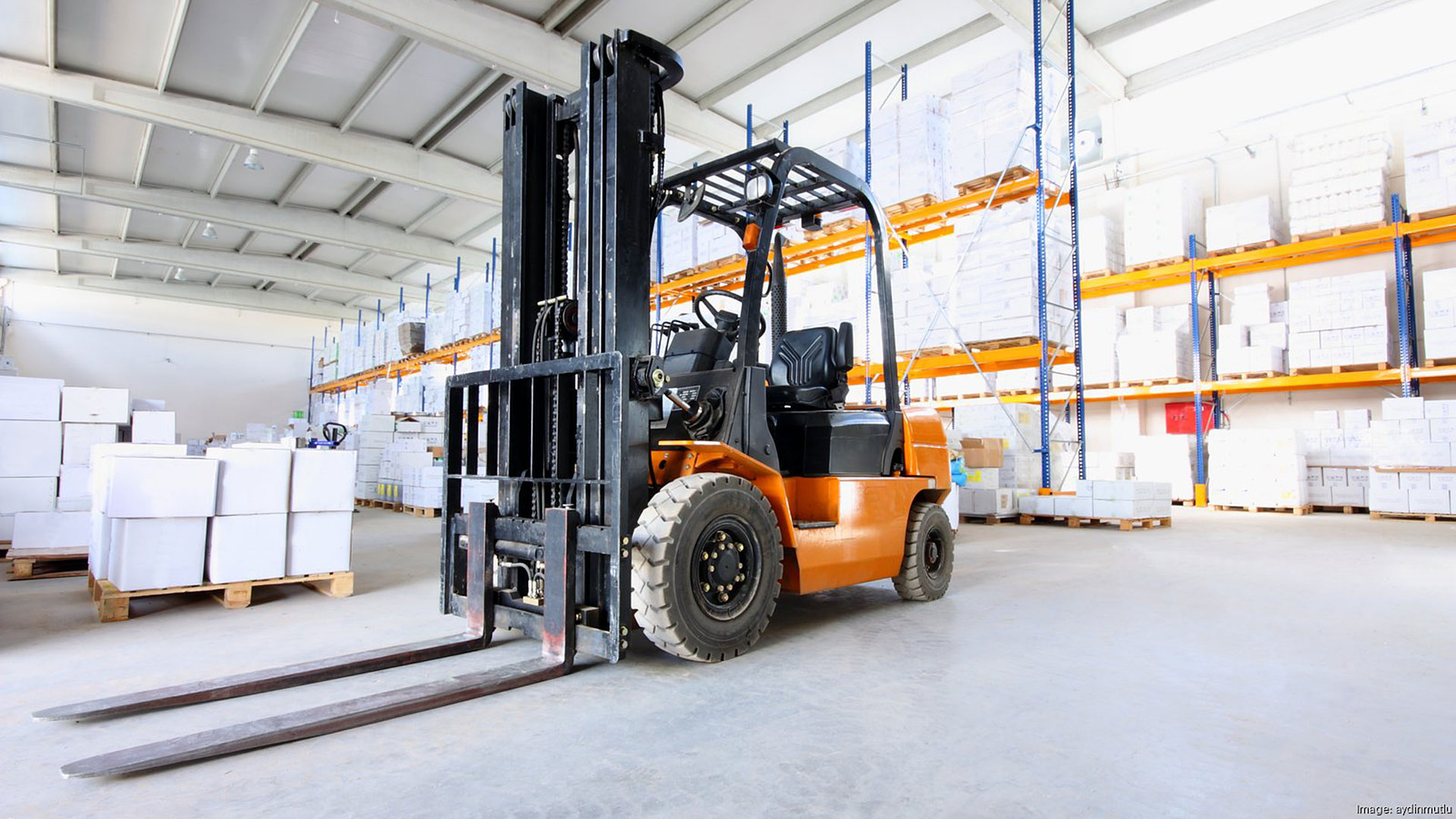
Tariffs and oil prices affect the cost of moving product around the globe. Diesel fuel is the lifeblood of freight transportation. Consequentially, diesel prices track closely with crude oil. When oil prices spike, trucking surcharges rise, delivery lead times extend as carriers prioritize higher-margin freight, and distributors build larger price buffers into their quotes to protect against further volatility. Roofing contractors depend on these distributors to supply materials for active jobs. Therefore, freight cost increases add another layer of upward pressure on project costs that homeowners don’t always see itemized in their quotes.
Additionally, supply chain adjustments can compound the problem even further. When tariffs hit imported materials, manufacturers and distributors begin repositioning inventory. In some cases, they may hoard product or shift to alternative suppliers. As a result, adjustments can cause temporary shortages and extended lead times on commonly used products. A material that was available in a week might now take three to four weeks. Obviously, this affects scheduling and can push project costs higher when crews must be redeployed or rescheduled.
How Does Drew Roofing Handle St. Petersburg Roofing Prices In A Volatile Market?
We can’t control tariff policy or what happens in the Strait of Hormuz. What we can control is how we source materials, how we schedule projects and what options we bring to our customers when standard material choices are pricing people out of necessary work. Here’s exactly how Drew Roofing works to protect homeowners from the worst of volatile St. Petersburg roofing prices.
Local & Regional Sourcing
Smart Scheduling
Alternative Material Options
Transparent Pricing
Practical Steps Homeowners Can Take To Mitigate St. Petersburg Roofing Prices
- Avoid roof replacement decisions based on age alone and consider a professional inspection to understand your roof’s actual remaining life
- Request a detailed, itemized quote that separates material costs from labor so you understand where cost increases are coming from
- Ask about domestically sourced material alternatives that may be less exposed to tariff and import cost volatility
- Understand your quote’s acceptance timeline and prepare to move quickly
- Consider phased repairs over a full replacement if your roof’s condition supports it
- Work with a local roofing contractor who sources regionally rather than national chains
Why Local Expertise Matters More Than Ever In An Unstable Market
In a stable roofing market, the gap between a well-connected local contractor and a large out-of-town firm may seem modest. However, in a volatile market, that gap widens considerably. National roofing chains purchasing materials through a centralized procurement system may be more exposed to tariff-driven price swings than a local contractor with direct relationships to regional distributors. As a result, a contractor unfamiliar with Florida’s specific material requirements may default to imported products when domestic alternatives would serve the job equally well at a lower current cost.
Drew Roofing has spent decades building the supplier relationships in order to navigate St. Petersburg Roofing Prices. Our local market knowledge that allow us to handle disruption more effectively than contractors without those roots. While we are not insulated from the forces affecting the entire industry, we can be better positioned than most to find a path forward for our customers in St. Petersburg and South Pinellas County.
Call Drew Roofing today at 727-522-3739 for any roof repairs or a replacement quote or contact us on our website here. The global economy is complicated right now. Your roofing decision doesn’t have to be.
