How to Document Roof Damage for Insurance Before the Next Storm Season
How St. Petersburg Homeowners Should Document Roof Damage Before Storm Season
Living in St. Petersburg and South Pinellas County means storm season is never far away and your roof is the first line of defense against wind and heavy rain. Properly documenting roof damage before the next storm can make a major difference in how smoothly your insurance claim goes and how quickly you can get repairs approved.
Why Documentation Matters for Insurance
Insurance companies rely on clear proof of when damage occurred. Thorough documentation reduces the chances of disputes over whether damage is truly “storm related” or considered wear and tear. Strong records can also help speed up the claims process. They provide support if the insurer requests additional proof or sends an adjuster for a roof inspection.
Step 1: Take Clear, Organized Photos
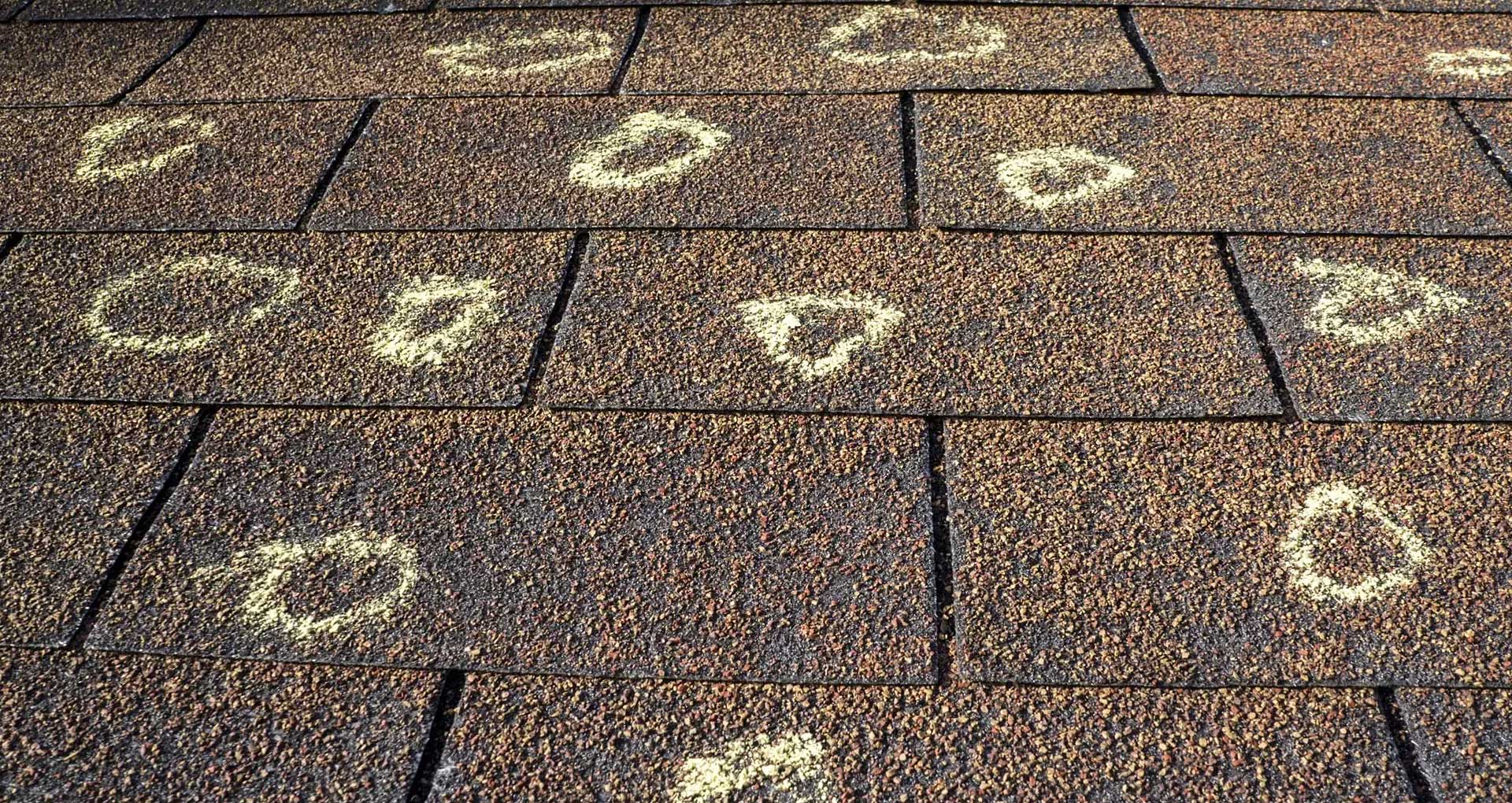
Start by taking wide, medium and close-up photos of your roof and any visible damage. Capture the entire roof from ground level. Then focus on specific problem areas like missing shingles, lifted shingles, cracked tiles, damaged flashing or dented metal roofing. For interior signs of damage, photograph water stains on ceilings, damp drywall, bubbling paint or warped baseboards directly beneath suspected roof leaks.
Use good lighting and take multiple angles of each damaged area so the details are easy to see. Store the photos in a dedicated folder labeled with the date (for example, “Roof Damage – March 2026”) so you can quickly reference them later when filing a claim or meeting with an adjuster.
Step 2: Write Down Dates and Weather Events
Create a simple damage log that includes dates, times, and weather conditions at the time of storm season when you noticed the problem or when a storm passed through. Note things like high winds, heavy rain, hail or flying debris that may have hit the roof. If possible, include any local weather alerts or storm names you remember, such as a specific tropical storm or named system that moved through Pinellas County.
Also record the date you first noticed interior signs of leaks. For example, document stains or drips and whether they appeared soon after a particular storm. This timeline helps connect roof issues to specific weather events, which is important when your insurer reviews whether the damage is covered under your policy.
Step 3: Gather Maintenance and Repair Records
Insurance companies often want to see that you’ve maintained your roof over time. Keep copies of any past roofing invoices, repair receipts, inspection reports and warranty information. Organize them in a folder or digital file. This provides easy access to your roof’s age, materials and repair history. If you’ve had work done by a professional roofer, having those dated invoices and reports ready shows that you’ve been proactive. This can help counter arguments that damage is due to neglect or lack of maintenance, which some policies exclude.
Step 4: Schedule a Professional Roof Inspection
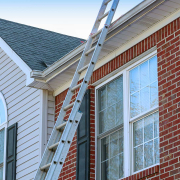
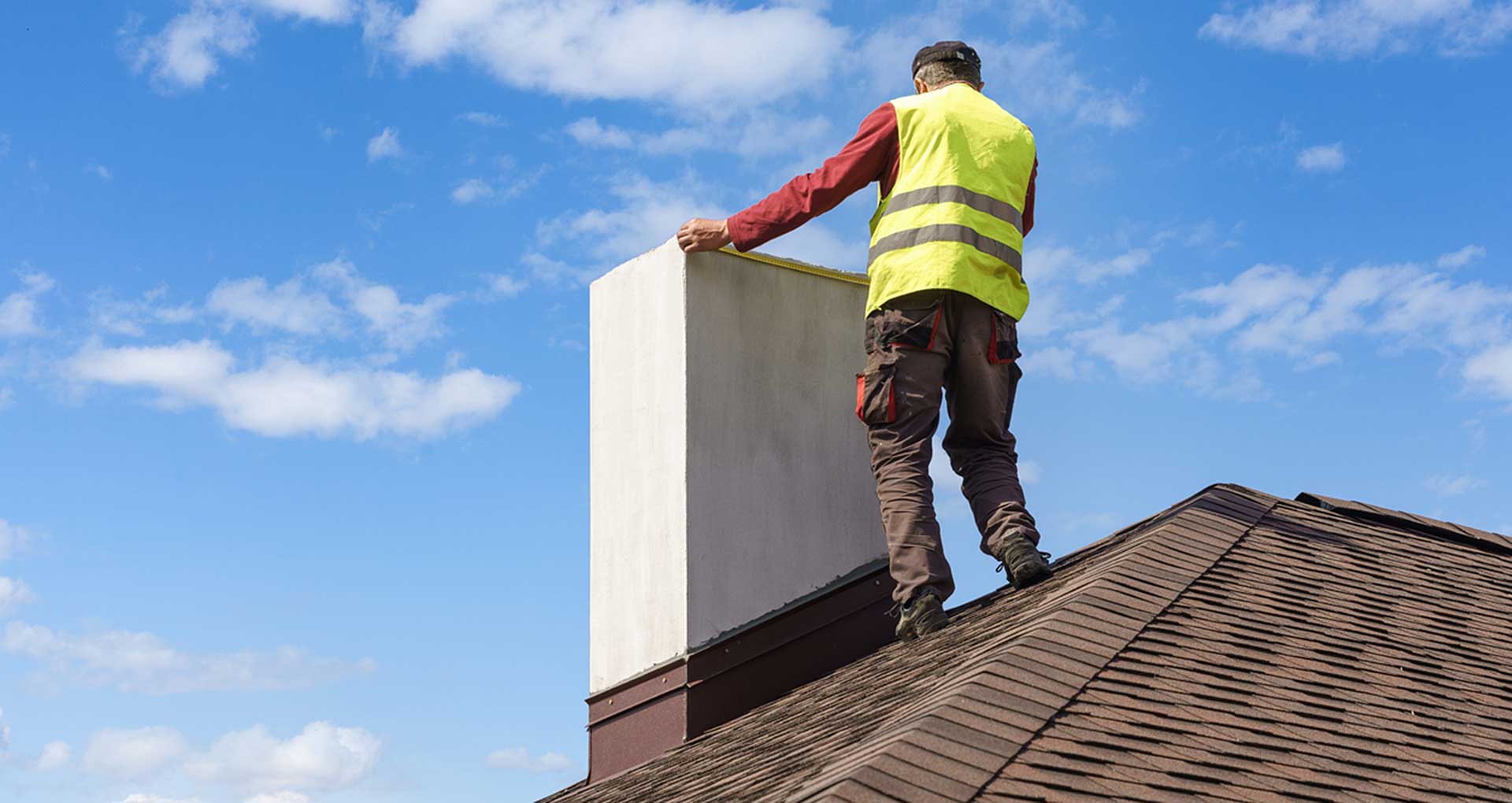
A professional roofing inspection provides expert documentation that often carries more weight with insurance adjusters. A local roofing company such as Drew Roofing who is familiar with St. Petersburg and South Pinellas conditions can identify storm-related damage that might not be obvious from the ground. For example, they can highlight any lifted shingles, damaged underlayment or hail impacts.
After the inspection, ask for a written report that includes a description of the damage. The report should include photos, recommended repairs and the likely cause (such as wind uplift or wind-driven rain). This report can be extremely helpful when you contact your insurance company or if an adjuster questions whether the roof problems were caused by a recent storm.
Step 5: Communicate Clearly With Your Insurance Company
Once you’ve gathered photos, notes, and inspection reports, contact your insurance company to ask about their process for roof claims before storm season ramps up. Be ready to provide your policy number, the dates of suspected damage and a general description of what you or your roofer have seen. Follow their instructions carefully. This may include filling out forms, submitting photos or scheduling an adjuster visit. Keep a written record of your conversations, noting dates, times and the names of the representatives you speak with. Staying organized and responsive shows that you’re cooperating fully, which can help keep your claim moving.
Step 6: Work With a Local Roofing Contractor You Trust
Partnering with a reputable local roofer can make the documentation and claim process less stressful. A contractor who regularly works with insurance claims can help you understand what adjusters look for. They can also assist with any requested additional photos, measurements or written documentation. For residents of St. Petersburg and South Pinellas County, choosing a local company also means working with a team that understands our unique coastal climate and common storm patterns. That local experience helps ensure that damage is properly identified and that recommended repairs meet local codes and conditions.
What To Look For In A Roofing Company
When you’re filing a roof insurance claim, choose a roofing company that is licensed and insured, has strong local experience with storm-related claims and communicates clearly with both you and your insurer. For example, when working with Drew Roofing, we can offer detailed written inspections with photos, explain whether the damage appears storm-related and is willing to meet or coordinate with the adjuster on-site. The roofing company you choose should never pressure you into signing anything before you understand the scope of work. They should always be transparent about timelines, warranties and how they handle supplemental claims if additional hidden damage is found after work begins.
Call Drew Roofing Before the Next Storm Season
If you live in St. Petersburg or South Pinellas County and suspect your roof still may have storm damage, document it now before the next round of severe weather arrives. Drew Roofing focuses exclusively on serving homeowners in St. Petersburg and South Pinellas. We provide detailed roof inspections, clear photo documentation when needed and professional guidance to help you navigate the insurance process. Call Drew Roofing today at (727) 522-3739 to schedule a roof inspection or contact us on our website here. Get our expert help documenting any damage so you’re better prepared before the next storm season.